


Cart
0

Diabetes & Weight Loss in 2025: What Really Works?
Nearly 40% of adults are overweight and 13% are obese worldwide, fueling a health crisis: heart disease, diabetes, and higher mortality risk. Most people have tried calorie restriction or “eat less, move more”—but biology usually pushes back with more hunger and a slower metabolism. Even the best lifestyle strategies are hard to sustain when hormone and brain signals fight every lost kilo.[1][2][5]
Foundations: Food, Activity, and Mindset
· High-protein, whole-foods diets keep you fuller and help preserve muscle during weight loss.[2]
· Consistent activity—brisk walking, strength training, or sports—speeds up progress and helps prevent regain.[2]
· Realistic tracking, social support, and therapy or coaching double success rates. These are the basics, but many people need more.[1][2]
2025 Medications: Power for Sustainable Results
Who Should Use Weight Loss Medications?
·Adults with BMI ≥30, or ≥27 if they have major weight-related health conditions (like diabetes or high blood pressure).[8][7]
·Meds work best when paired with ongoing food, movement, and support changes. If 5% weight loss isn’t achieved within 3-4 months at full dose, it’s time to try something else.[7][8]
Breaking Through: Evidence-Based Diabetes Weight Management That Actually Works in 2025
Start Now
What to Know About Stopping
· Nearly all users regain weight if drugs are stopped. Lasting success depends on long-term use and regular check-ins.[5][7]
The Main Players: In-depth Look
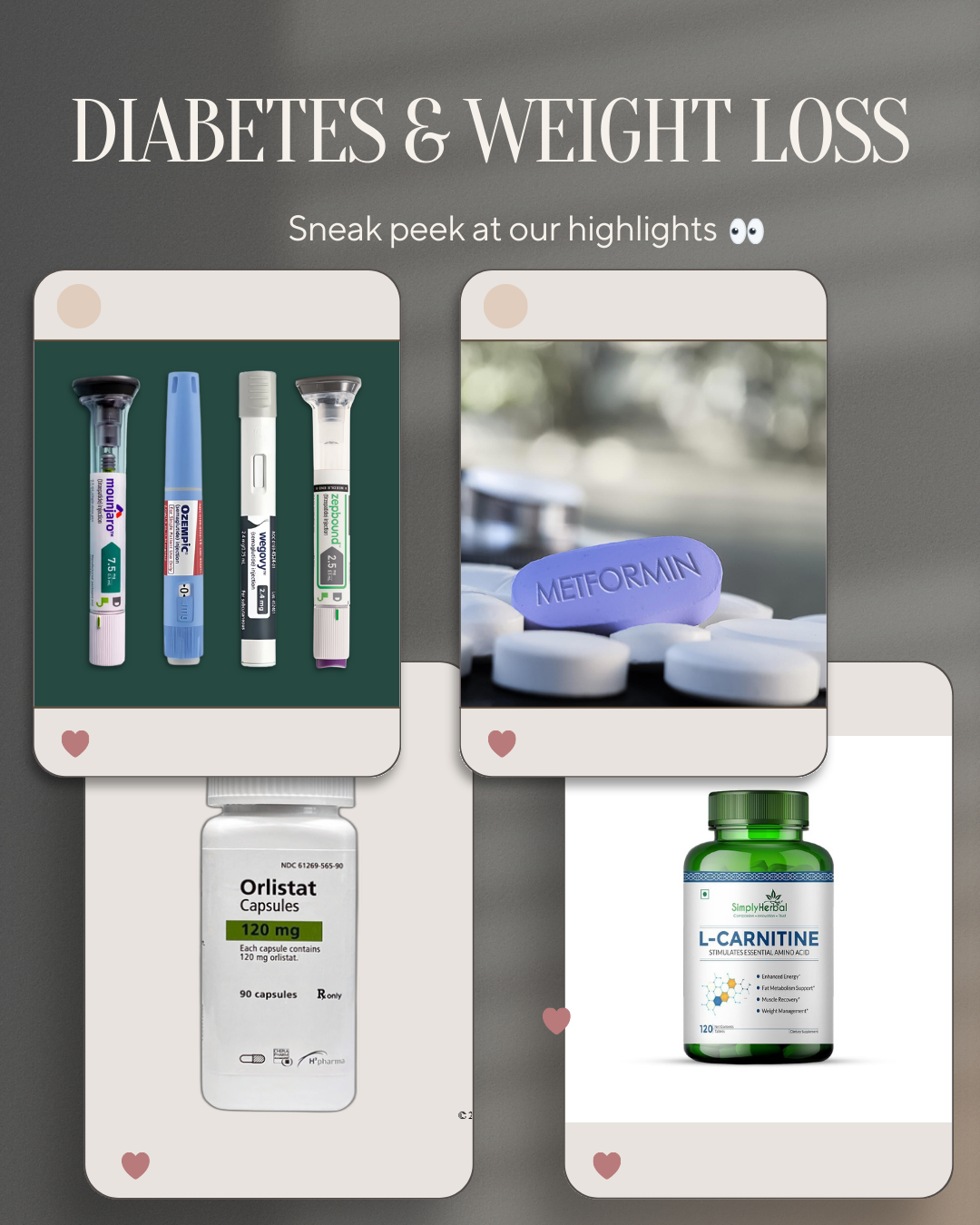
Orlistat (Alli/Xenical)
·How it works: Blocks absorption of 30% of dietary fat, passed out in stool instead of stored.[3][4][7]
·Dose/use: 120mg prescription per meal with fat; 60mg OTC available too.[3][4]
·Results: Adds 5-6% extra weight loss vs. diet alone in six months. Also lowers diabetes risk in prediabetics, and cuts risk of weight regain.[3][4][7]
·Side effects: Oily stools, urgent or more frequent trips to the bathroom, and flatulence—almost always tied to higher-fat meals. Fat-soluble vitamin supplements (A, D, E, K) may be needed for long-term users.[3][4]
·Who benefits: Especially good for those who want an oral, lower-cost option or who can’t take hormonal agents.[3][4]
From GLP-1 Breakthroughs to Proven Methods: Your 2025 Diabetes Weight Loss Playbook
Start Now
GLP-1 Agonists (Semaglutide, Liraglutide, Tirzepatide)
·How they work: Mimic natural gut hormones to curb hunger, slow stomach emptying, and improve blood sugar. Dual/triple agonists target multiple hunger and satiety signals.
·Medicines: Semaglutide (Wegovy/Ozempic): Weekly injection, titrated over 16–20 weeks.
Produces 10–15%+ average weight loss in a year.
Tirzepatide (Zepbound/Mounjaro): Works on two key hormones (GLP-1 & GIP). SURMOUNT-1 trial: 22.5% average body weight loss—best-in-class results.
Liraglutide (Saxenda): Daily injection, 8% average weight loss, preferred for those needing daily, not weekly, dosing.
·Side effects: Nausea/vomiting/diarrhea (common, fade with slow dose increases), rare risk of pancreatitis, gallbladder issues, thyroid cancer in susceptible people.
·Who benefits: Anyone with clinical obesity/diabetes not getting results from food/activity alone. FDA-approved down to age 12 for some drugs.
·Regain risk: Stopping usually leads to rapid regain; long-term therapy is now standard recommendation.
L-Carnitine
·What it does: An amino acid derivative that helps cells burn fat for energy, found in food and produced in the body.
·Effectiveness: Studies show a small (1–1.3 kg) added weight loss, especially when combined with exercise and a great diet.
·Dosing: 500–2,000mg daily is typical. Well tolerated; rare “fishy” odor or GI upset as side effects.
·Ideal use: Best used as a support tool for those already eating well and exercising, not a substitute for medical therapy in obesity.
Choosing and Using: Personalization, Safety, and Cost
·Orlistat: Most affordable and widely available as a pill, but GI side effects limit adherence. Requires a lower-fat diet.[3][4]
·GLP-1s: Most powerful for weight and health, but are injectables and expensive. Should never be bought outside licensed pharmacies (beware fakes/counterfeits online).[7][8]
·Carnitine: Safe, over-the-counter, fitness-focused—think “bonus help”.[6]
·New frontier: Oral versions of GLP-1s and additional combos are emerging, promising even greater results and flexibility.[7]
·Insurance/cost: Most effective drugs cost a lot unless subsidized by insurance.[8][7]
Side-by-Side Table
Medicatio n |
Method |
Avg. Weight Loss |
Side Effects |
Who Benefits Most |
Orlistat |
Stops fat absorption |
5–6% |
Oily stool, urgency |
Those preferring pills |
Semaglutid e |
Mimics fullness hormone |
10–15% |
Nausea, GI upset |
High weight loss needed |
Tirzepatid e |
Dual hormone mimic |
up to 22.5% |
GI side effects |
Maximum loss, diabetes |
Liraglutide |
Fullness hormone mimic |
~8% |
Digestive side effects |
Daily injection option |
L-Carnitin e |
Fat burn support |
1–1.3 kg |
Rare mild GI, odor |
Active lifestyle, add-on |
Real Talk and References
For real, lasting results, there’s no substitute for habit change—but medication gives many people the metabolic “leg-up” they need for health, energy, and confidence. Starting with a knowledgeable provider and a realistic, sustained plan is critical. Always get meds from trusted sources to stay safe.
Further Reading:
Top Weight Loss Medications: Obesity Medicine Association[7]
Prescription Medications: NIH[8]
-
GLP-1 Agonists Review: Biomolecules 2025[5]
-
Orlistat: Medline Plus[4]
-
L-Carnitine: Scientific Summaries
The New Rules of Diabetes Weight Loss: What's Proven to Work in 2025
Start Now
