


Cart
0

Cancer: Causes, Prevention, Early Detection and Key Treatments
Cancer is one of the world’s most widespread and challenging health concerns, accounting for nearly 10 million deaths globally every year. Despite its seriousness, enormous progress has been made in prevention, early detection, and life-extending treatments. Understanding what cancer is, how it develops, and which medications hold promise can empower patients and their families with the knowledge to act decisively.
What is Cancer?
Cancer is a term describing a diverse group of diseases characterized by the uncontrolled growth and spread of abnormal cells. Unlike normal cells, cancer cells can invade neighboring tissues and, in advanced cases, spread to distant organs—a process called metastasis. This ability to escape the body’s usual checks and balances makes cancer especially dangerous.
There are more than 100 recognized types of cancer, including commonly known ones such as breast, lung, colon, prostate, and skin cancers. Each type has unique features but shares the core trait of unchecked cell growth.
Cancer Explained: Causes, How to Prevent It, Early Detection, and Effective Therapies
Start Now
Causes and Major Risk Factors
Cancer develops through a step-wise transformation of normal cells into malignant ones, typically influenced by a mix of genetic and environmental factors. The main causes and risk factors include:
-
Tobacco Use: The single biggest preventable cause of cancer worldwide, affecting not just the lungs but also the mouth, throat, pancreas, and more.
-
Unhealthy Diet and Obesity: Diets high in processed foods, red meats, and low in fruits/vegetables, coupled with obesity, boost the risk for several cancers.
-
Alcohol Consumption: Frequent drinking raises the risk of cancers like those affecting the liver, breast, and esophagus.
-
Physical Inactivity: A sedentary lifestyle encourages obesity and lowers the body’s resilience to many cancers.
-
Infections: Certain viruses, such as HPV and hepatitis, directly cause or strongly raise cancer risk.
-
Radiation and Environmental Toxins: Prolonged exposure to ultraviolet rays (e.g., sun), ionizing radiation, asbestos, and other carcinogens can trigger cancer’s development.
-
Advancing Age: The likelihood of cancer increases as the cumulative effects of these risks build up over a lifetime.
Understanding Cancer: Risk Factors, Prevention, Early Diagnosis, and Treatment Options
Start Now
Prevention: Reducing the Cancer Burden
The World Health Organization estimates that up to 50% of cancers can be prevented through lifestyle changes and public health initiatives like vaccination and screening. Key prevention strategies include.
-
Not using tobacco products.
-
Eating a healthy diet and managing weight.
-
Engaging in regular physical activity.
-
Limiting alcohol intake.
-
Protecting against infections (HPV/Hepatitis B vaccination).
-
Avoiding excessive sun exposure.
-
Reducing exposure to harmful chemicals, pollutants, and unnecessary radiation.
Early Detection: Why It Matters
Early detection—through increased symptom awareness and screening programs—dramatically improves cancer survival and reduces the need for aggressive treatments. Screening methods include mammograms for breast cancer and HPV tests for cervical cancer. When cancer is identified while still localized, seamless treatment can often lead to a cure, or at minimum, long-term management.
Modern Cancer Treatments and Medications
Cancer treatment is highly specialized, often involving surgery, radiation, chemotherapy, targeted therapy, and immune-based therapies depending on type, location, and stage of disease. Here’s how some key medications are shaping contemporary cancer care:
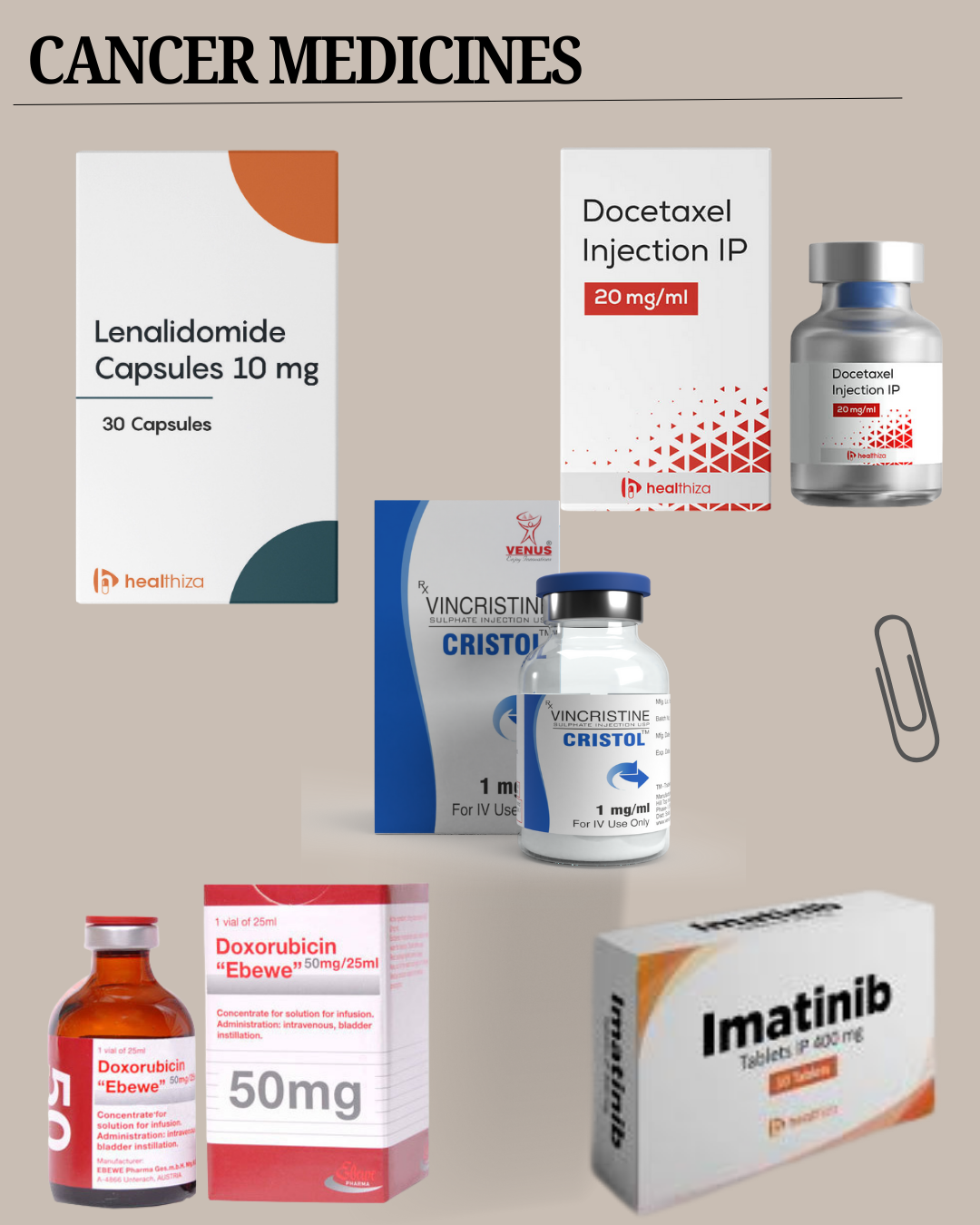
Imatinib
Imatinib is a targeted therapy known as a cancer growth inhibitor. It is primarily used for certain blood cancers (chronic myeloid leukemia, acute lymphoblastic leukemia), gastrointestinal stromal tumors (GISTs), and some rare sarcomas. Imatinib interferes with signals that tell cancer cells to grow, thereby shrinking tumors and halting disease progression. Common side effects are swelling, fatigue, nausea, low blood counts, and sometimes fluid retention or muscle pains. Routine blood tests are vital during its use.
Lenalidomide
Lenalidomide is an oral medication that modulates the immune system, helping it target and destroy cancer cells. It is widely used in multiple myeloma, lymphoma, and certain blood disorders. Lenalidomide restricts the tumor’s ability to form blood vessels, effectively “starving” it. Some patients experience side effects like fatigue, nausea, low blood counts, and, rarely, thyroid dysfunction or blood clots.
Docetaxel
Docetaxel is a chemotherapy agent in the taxane family, used for breast, lung, prostate, and head and neck cancers. It prevents cancer cells from dividing, leading to tumor shrinkage. Patients may experience side effects such as fatigue, hair loss, nerve changes, and risk of infection due to lowered blood cell counts. Close monitoring by healthcare providers is essential for safe and effective use.
Vincristine
Vincristine disrupts cell division, making it a staple in the treatment of leukemia, lymphoma, and certain childhood cancers. While powerful, vincristine can lead to nerve damage (peripheral neuropathy), constipation, or hair loss, making dose adjustments necessary for some patients. Myelosuppression and gastrointestinal symptoms might also occur, but these are often well managed with medical support.
Doxorubicin
Doxorubicin belongs to the anthracycline family and works by damaging cancer cell DNA, impeding their reproduction. It’s used in treating a variety of cancers including breast cancer, lymphomas, and sarcomas. The main side effects include fatigue, mouth sores, nausea, hair loss, and in rare cases, heart issues, so cardiac function is usually monitored before and during therapy.
Looking Ahead: The Future of Cancer Care
Scientific advances continue to drive new frontiers in cancer detection, precision medicine, and survivorship. Early diagnosis, thoughtful prevention, and carefully chosen therapies can, in many cases, transform cancer from a life-ending to a life-changing condition. Patients are encouraged to stay informed, stay proactive, and consult with healthcare teams on the best possible path for their individual situation.
A Complete Guide to Cancer: Origins, Prevention Strategies, Early Signs, and Key Treatments
Start Now

