


Cart
0
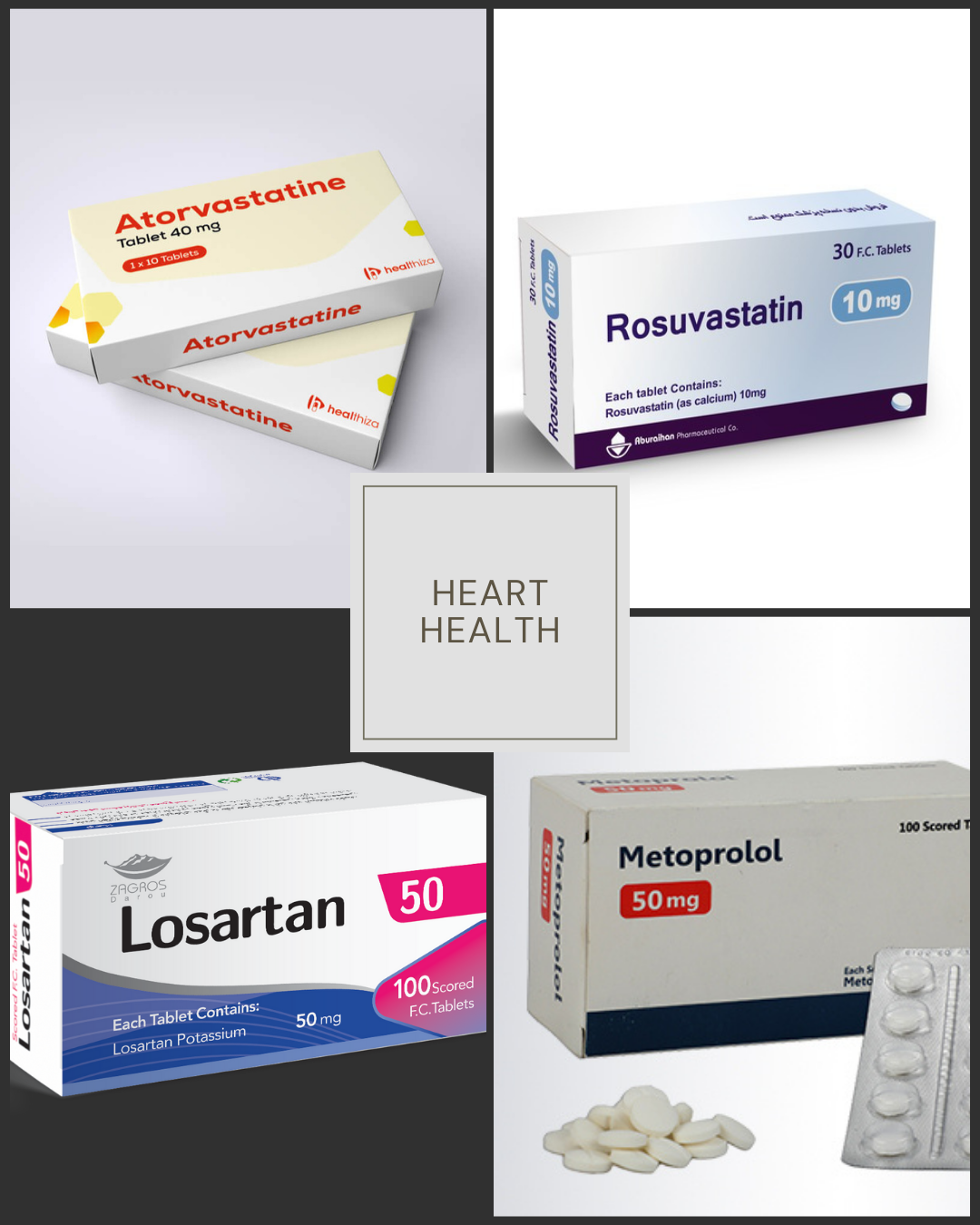

Heart Health: Risks, Prevention, and Medications Explained
Heart health is fundamental for a long and active life. Every day, your heart works quietly in the background, pumping blood and oxygen to every tissue. Yet, heart disease remains one of the most common—and preventable—health threats. Here’s a focused look at what drives heart health, modern prevention strategies, and the role of key medications.
What is Heart Health?
Heart health means the heart and blood vessels function smoothly, circulating blood with ease and no obstructions. A healthy heart adapts to daily demands, avoids dangerous strain, and resists common threats like artery blockages or abnormal rhythms. This resilience keeps the body energized and focused.
Protect Your Heart: Learn the Risks, Prevention Tips, and Life-Saving Medications
Start Now
Factors Affecting Heart Health
Cholesterol
Cholesterol, a waxy substance produced by the liver and obtained from some foods, plays a vital role in cell membranes and hormone production. Excess LDL (“bad” cholesterol) can deposit on artery walls, leading to dangerous blockages and raising the risk of heart attacks or strokes.
Blood Pressure
Hypertension, or chronically high blood pressure, forces the heart to work harder with every beat. Over time, this stress leads to thickened heart muscle, hardened arteries, and greater risk of heart failure.
Diet and Nutrition
Processed foods, especially those rich in salt, harmful fats, and sugar, damage the arteries. Diets featuring whole grains, leafy vegetables, fair portions of fruit, lean proteins, and olive or seed oils support optimal heart function.
Activity and Lifestyle
Staying physically active reduces weight, improves blood sugar and cholesterol, and keeps arteries supple. Smoking and heavy alcohol use both damage the heart and blood vessels, amplifying every other risk.
Take Charge of Your Heart Health: Identify Risks and Discover Effective Treatments
Start Now
Genetics
A family history of heart trouble is a warning sign. While genes can’t be changed, patients can outmaneuver genetic risk with healthy practices and early screenings.
Lifestyle Steps for Heart Health
● Emphasize plant-based foods and healthy oils, limit processed fats and salt.
● Incorporate at least 30 minutes of moderate physical activity most days.
● Quit smoking and keep alcohol intake light.
● Maintain a healthy weight with a well-balanced, portion-controlled diet.
● Reduce chronic stress with relaxation techniques, adequate sleep, and mindfulness.
● Schedule regular health checkups for blood pressure, cholesterol, and blood sugar.
Medications for Heart Protection
Statins: Atorvastatin and Rosuvastatin
Statins lower cholesterol by blocking the body's production and encouraging clearance of LDL. They protect artery linings and have proven benefits for preventing or managing heart attacks and strokes.
● Atorvastatin and Rosuvastatin: Both lower LDL and mildly raise HDL. Rosuvastatin is especially effective for dramatic cholesterol reduction and is less likely to interact with other medicines.
● Side Effects: Muscle pain, headache, upset stomach, and rarely serious muscle or liver issues.
Beta Blockers: Metoprolol
Metoprolol relaxes the heart, slows heart rate, and lowers blood pressure. It’s commonly prescribed after heart attacks or for heart failure, reducing the risk of sudden cardiac events.
● Main Uses: Preventing repeat heart attacks, managing hypertension, and stabilizing heart failure.
● Side Effects: Fatigue, slower heartbeat, dizziness, and—less commonly—issues with asthma or blood sugar regulation.
Angiotensin II Receptor Blockers: Losartan
Losartan belongs to ARBs and helps relax and widen blood vessels, lowering blood pressure and shielding the heart from undue strain.
● Main Uses: High blood pressure, heart failure prevention, and kidney protection (especially in diabetics).
● Side Effects: Lightheadedness, increased potassium, rarely kidney impairment.
Final Thoughts
A healthy heart powers both body and mind. Through smart nutrition, daily activity, avoiding tobacco, controlling stress, and the strategic use of medications where needed, most heart conditions are manageable or even preventable. Always seek professional advice for any symptoms, questions about medicines, or before making big changes to a health routine. Use these tools to build a foundation for lifelong cardiovascular strength.
Don’t Ignore Your Heart: Essential Prevention and Medication Guide for a Stronger Heart
Start Now

